
japanese-art-column
- Jul 31, 2026 - Ōhashi Suiseki’s Summary | The Best of Tiger Painters (1/3)
- Jul 31, 2026 - What is Nanga? (2/2)
- Jul 31, 2026 - What is Nanga? (1/2)
- Jul 31, 2026 - Report on the Special Opening of Unveiling the Later Masterpiece of Itō Jakuchū, ‘Saboten Gunkei-Zu’
- Jul 31, 2026 - Various Arranged Painting with Nirvana Painting Motif
- Jul 31, 2026 - Ito Jakuchū’s Sumi-ink Painting Masterpiece ‘Fruit and Vegetable Nirvana’
- Jul 31, 2026 - Japan Art News | Itō Jakuchū, ‘Painting of Cactuses and Chickens’, Sliding Doors, Shown for the First Time in Three Years
- Jul 31, 2026 - A Utopia of Art and Nichiren Buddhism that Reversed the Banishment of Hon-ami Kōetsu! 64 Years in Takagamine, Rakuhoku with Wealthy Merchants.
- Jul 31, 2026 - The Genius of Ogata Kōrin as Seen in “Kakitsubata-zu Byōbu, Irises Painting Folding Screen”
- Jul 29, 2026 - Summary | Art History of Japan | Painting
- Jul 29, 2026 - Kyoto Sightseeing Recommendations! The Nijō Castle “Ninomaru Palace” – the Best Way to See the Castle
- Jul 29, 2026 - What Is the Kanō Tan-yū Style?
- Jul 29, 2026 - Ogata Kōrin’s Masterpiece “Peacock and Hollyhocks Paintings”
- Jul 29, 2026 - The Charm of Suzuki Kiitsu Is Concentrated! Masterpieces that Have Captivated the World’s Greatest Museums.
- Jul 29, 2026 - History of Karigane-ya, Where Rimpa School Painter Ogata Kōrin Grew up
- Jul 29, 2026 - Tawaraya Sōtatsu, a Pioneering Designer. Dissecting His Genius for Composition and Expression!
- Jul 29, 2026 - Current Popularity Ranking of Japanese Painters Active in Kyoto in the 18th Century
- Jul 29, 2026 - Who Is Hakuin? Exploring His Life and Cute Zen Paintings!
- Jul 29, 2026 - Kanō Sansetsu Imprisoned for an Innocent Crime
- Jul 28, 2026 - Zen Masterpiece Showdown! Comparing Sesshū’s and Hakuin’s “Eka Danpi-zu” (Painting of Dazu Huike Offering His Severed Arm to Bodhidharma)
- Jul 28, 2026 - Karaemekiki: A Special Profession that Formed a School of Painting in Nagasaki during the Edo Period.
- Jul 28, 2026 - Nagasaki School: Born with Great Influence from Foreign Countries.
- Jul 28, 2026 - Soga Shōhaku Also Visited the Tajima Region!
- Jul 28, 2026 - Differences between the Maruyama School and the Shijō School
- Jul 28, 2026 - The Most Powerful Bird Showdown in History! Itō Jakuchū, “The Rising Sun and the Phoenix” VS Soga Shōhaku, “The Eagle”
- Jul 28, 2026 - Chōshi Buon’s Only Surviving Work, a Legendary Painter Like Itō Jakuchū? Dragon Ceiling Painting to Be Discovered at the Myōhō-in Temple, Kyoto in 2017!
- Jul 28, 2026 - The Mischievous Pranks of Soga Shōhaku: Pang Jushi (Hōkoji) and Ling Zhaonu (Reishōjo) Are Made to Look Like a Kume Hermit and a Woman
- Jul 28, 2026 - Uemura Shōen: Her Life in Bijinga (Beautiful Woman Paintings)
- Jul 28, 2026 - Summary of Soga School of Japanese Painting
- Jul 21, 2026 - Only Kawanabe Kyōsai Can Depict the Otherworldly and Still be Somewhat Mischievous!
Contact Us
Please fill out the form below and submit for your inquiry.
Your privacy is important to us. We are committed to protecting your privacy.
(or press ESC or click the overlay)
CEO Message
(or press ESC or click the overlay)Our Feelings For Kakejiku
Company Profile
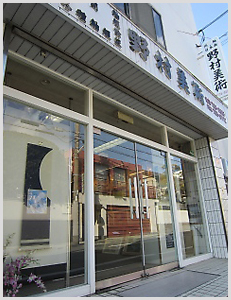
Name Art Nomura
President Tatsuji Nomura
Founded1973
Established1992
Address7-23 Babadori, Tarumi-ku, Kobe city,
Hyougo Prefecture, 655-0021, Japan
Capital10 million yen
URLhttp://nomurakakejiku.com
Our Business
Art Nomura is an art dealer which produces kakejiku (hanging scrolls). We mount many paintings and calligraphic works in kakejiku in my factory. Kakejiku are our main product. We also remount and repair old or damaged kakejiku. We share the traditional Japanese art of kakejiku with people all over the world.
(or press ESC or click the overlay)
Access Map
(or press ESC or click the overlay)Access Map