Kumano Shūkō Zukan (Boating on Kumano Painting): Dexterous Tani Bunchō’s Scroll Artworks Applying Realism to Bunjinga Based on His Sketches
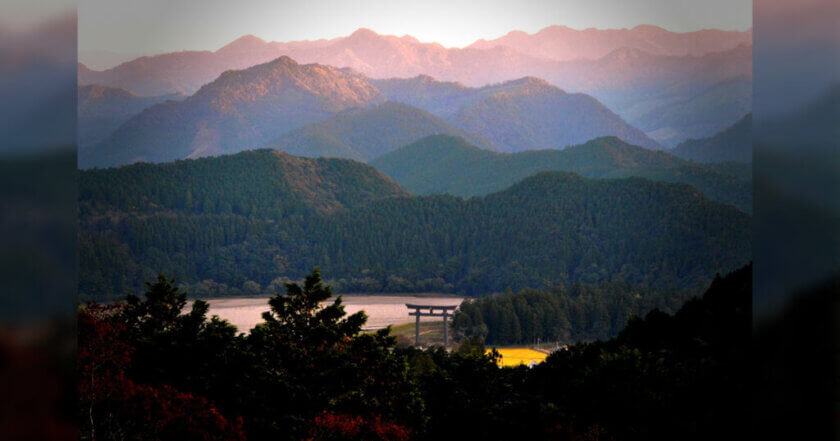
During the Edo period, various art styles were matured. Bunjinga, one of the popular painting genres by literati, was established. Bunjinga idealized Nanshūga, the Southern School of Chinese painting. In China, it means the paintings drawn by a certain class of people, called literati those who were high-ranked officials. They were not professional painters; they painted as their hobbies. Following the Chinese influence, Japanese educated people also focused on mastering three core traditional arts: painting, calligraphy, and poetry. They pursued to acquire culture, study arts and philosophy in nature, and reach the deep awareness of paintings. “Travelling” was the most emphasized subject matter for their paintings.

It was not rare for painters who depicted landscapes during travelling. However, literati found aspiration from travels and expressed their feelings through painting and writing calligraphy. One of the most prominent bunjinga painters was Tani Bunchō; he loved travelling and others acknowledged him so. He travelled all over in Japan until he became 30 years old. It is amazing that he almost visited everywhere in Japan, expect for or 4 or 5 areas.
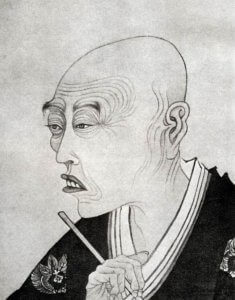
Tani Bunchō

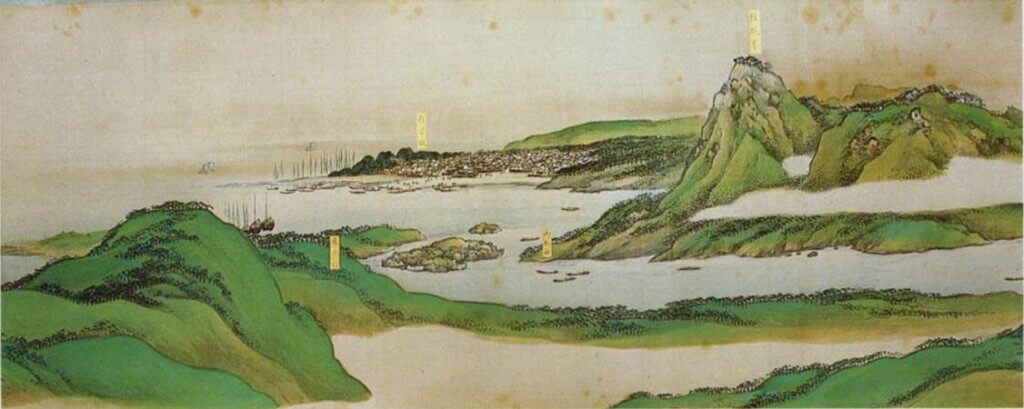
His masterpiece painting from travelling is “Kumano Shūkō Zukan (Boating on Kumano Painting)”.
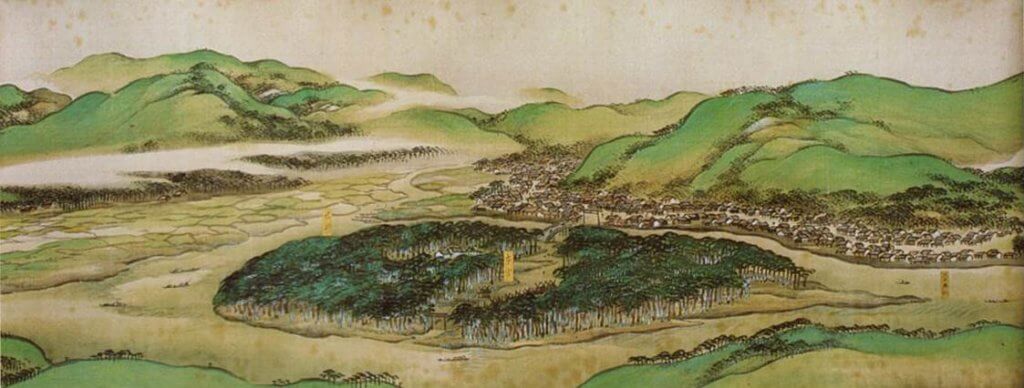
Kumano Shūkō Zukan (Boating on Kumano Painting)

Bunchō was a retainer of Matsudaira Sadanobu, a chief senior councilor (rōjyū) of the Tokugawa Shogunate. Bunchō learned painting from Kanō School and Nanpin School. He established a new style of a painting which integrated Yamatoe painting, Chinese painting, bunjinga painting, and Western painting. Eventually, he became a leading painter of the literati during the Edo period. In 1796, Sadanobu ordered Bunchō to investigate Kansai area. Eight year after the regional investigation, Bunchō completed these picture scroll works. The landscapes along Kumano River from Kumano Hongū to Shingū at Kishū area, where current Wakayama Prefecture and the southern part of Mie Prefecture, were supposedly utilization of some sketches that he drew when he visited the area.

The two picture scrolls are 8-meter-long total; this is the masterpiece of Bunchō’s excellent landscape drawing. He depicted the detailed scenery neatly, such as expressing mountains and clouds literati-like techniques and drawing a splitting river at a bank with realism. The techniques he used in this work is real, such as using bird’s-eye view and depicting landscape using the law of perspective. The vivid and decorative colors using the abundant of high quality iwa-enogu, the Japanese mineral pigments, also give the pictures three-dimensional effect and width. Also, we can see the Kumano Hongū, which is riverside now, was in the riverbank back then from his paintings. This set of scroll paintings is valuable not only for the quality of the work, but also as a historical reference material. Overall, this set is the most important work in Bunchō’s life as a painter.
Contact Us

Please fill out the form below and submit for your inquiry.

❈FirstName
❈LastName
Country
❈E-mail
(❈Confirm E-mail)
❈Inquiry category Question
Consultation
Impression
Request
Others
❈Comment

is the mark for required item.


Your privacy is important to us. We are committed to protecting your privacy.

(or press ESC or click the overlay)

CEO Message

Our Feelings For Kakejiku


 The Japanese people have long set a high value on aesthetic senses since ancient times. As a result, the
peculiar culture which is not seen in other countries blossomed and many aspects of the modern Japanese
culture come from it. Parts of Japanese culture has been introduced to people in other countries recently,
so the number of people from other countries who are interested in Japanese culture has been increasing.
However, the Japanese aesthetic senses, which are the bases of Japanese culture, have been nurtured
through a long history, intertwining various elements intricately, such as climate, geographical features,
religion, customs and so on. Therefore, they are very difficult to understand not only for people from other
countries, but even for the Japanese people. I think the best tool which conveys these difficult senses
understandably is a “kakejiku.”
 The kakejiku (a hanging scroll; a work of calligraphy or a painting which is mounted and hung in an
alcove or on a wall) is a traditional Japanese art. It's no exaggeration to say that paintings are what
express aesthetic senses at all times and places. The kakejiku is an art which expresses the Japanese
aesthetic senses. The kakejiku has long been used in traditional Japanese events, daily life and so on since
ancient times. As a result, there are various customs of kakejiku in Japan; kakejiku and the life of the
Japanese are closely related. We can see Japanese values through kakejiku.
 The kakejiku is a cultural tradition which the Japanese people should be proud of. However, many people
in other countries don't know much about it because it hasn't been showcased as much. This is why I
decided to try to introduce it. The kakejiku world is very interesting and beautiful. We want not only the
Japanese, but also many people from other countries to know and enjoy it. I hope that many people will
love kakejiku someday.

(or press ESC or click the overlay)
Company Profile
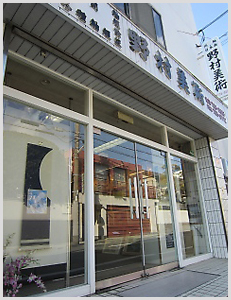
syaoku.jpg(120220 byte)

Name Art Nomura


President Tatsuji Nomura


Founded1973


Established1992


Address7-23 Babadori, Tarumi-ku, Kobe city,
Hyougo Prefecture, 655-0021, Japan


Capital10 million yen


URLhttp://nomurakakejiku.com


Our Business

 Art Nomura is an art dealer which produces kakejiku (hanging scrolls). We mount many paintings and calligraphic works in kakejiku in my factory. Kakejiku are our main product. We also remount and repair old or damaged kakejiku. We share the traditional Japanese art of kakejiku with people all over the world.


(or press ESC or click the overlay)
Access Map

Access Map


 The Japanese people have long set a high value on aesthetic senses since ancient times. As a result, the
peculiar culture which is not seen in other countries blossomed and many aspects of the modern Japanese
culture come from it. Parts of Japanese culture has been introduced to people in other countries recently,
so the number of people from other countries who are interested in Japanese culture has been increasing.
However, the Japanese aesthetic senses, which are the bases of Japanese culture, have been nurtured
through a long history, intertwining various elements intricately, such as climate, geographical features,
religion, customs and so on. Therefore, they are very difficult to understand not only for people from other
countries, but even for the Japanese people. I think the best tool which conveys these difficult senses
understandably is a “kakejiku.”
 The kakejiku (a hanging scroll; a work of calligraphy or a painting which is mounted and hung in an
alcove or on a wall) is a traditional Japanese art. It's no exaggeration to say that paintings are what
express aesthetic senses at all times and places. The kakejiku is an art which expresses the Japanese
aesthetic senses. The kakejiku has long been used in traditional Japanese events, daily life and so on since
ancient times. As a result, there are various customs of kakejiku in Japan; kakejiku and the life of the
Japanese are closely related. We can see Japanese values through kakejiku.
 The kakejiku is a cultural tradition which the Japanese people should be proud of. However, many people
in other countries don't know much about it because it hasn't been showcased as much. This is why I
decided to try to introduce it. The kakejiku world is very interesting and beautiful. We want not only the
Japanese, but also many people from other countries to know and enjoy it. I hope that many people will
love kakejiku someday.

(or press ESC or click the overlay)