
Report on the Special Opening of Unveiling the Later Masterpiece of Itō Jakuchū, ‘Saboten Gunkei-Zu’
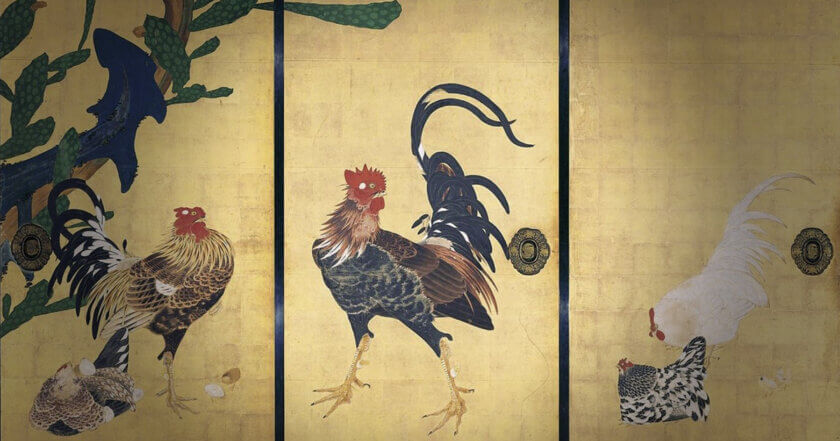
It’s not an exaggeration to say that Itō Jakuchū, active in the mid-Edo period is one of the most celebrated Japanese‐style painters worldwide.
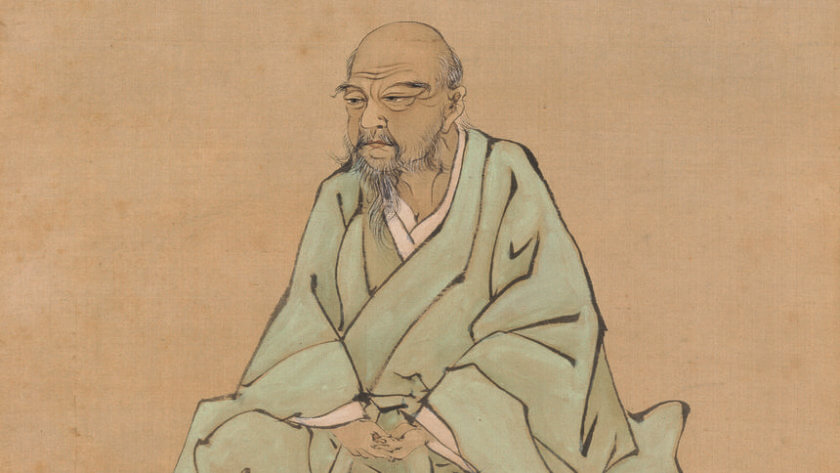
Itō Jakuchū

The sky is the limit, for the popularity he has been gaining and in 2021, his major work, the 30 pieces of Dōshoku Sai-e (Colorful Realm of Living Beings) was designated as a National Treasure.

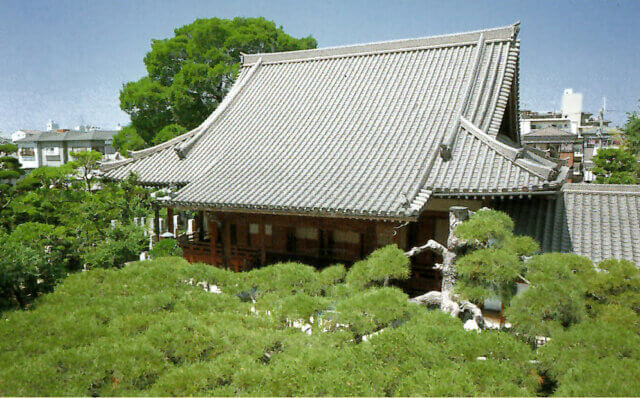
Another later main work of such painter Itō Jakuchū, which is a painting on sliding screens, Saboten Gunkei-Zu(Cactus and Fowls)has been maintained at Saifuku-ji Temple in Toyonaka City, Osaka Prefecture.
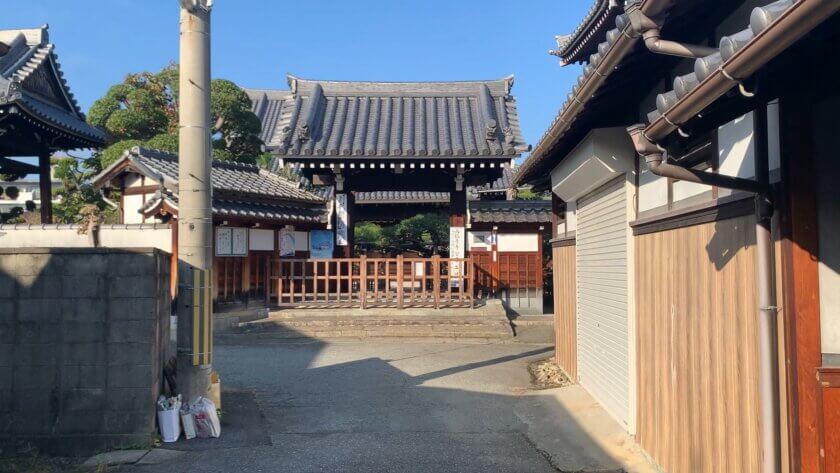
Saifuku-ji Temple

This piece of art is open to the public once a year on Culture Day (3rd of November) with the opportunity of airing out. /Cancelled in case of rain.

The day in 2022 was clear, so I visited the temple to look at and here is the report.

About Saboten Gunkei-Zu

The Story behind the Painting


The story of how Saboten Gunkei-Zu was produced steps back to the ‘Great Fire of Tenmei’ that occurred in Kyoto in 1788.

The largest-ever fire in Kyoto allegedly reduced 80% of the city into ashes.
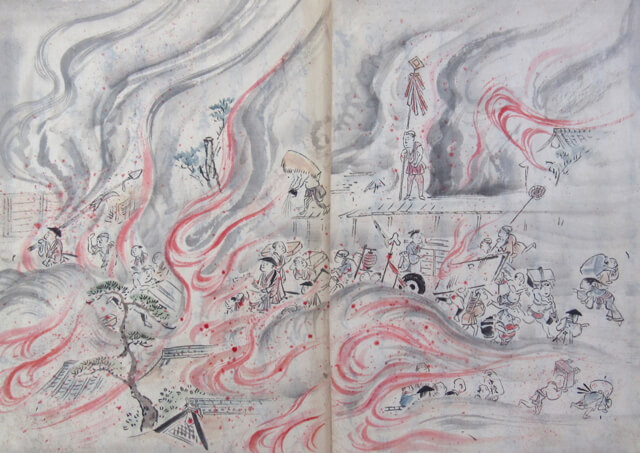
The house and art studio of Itō Jakuchū were also burnt down and that put him to a great deal of trouble. Nevertheless, he was offered a helping hand by intellectuals in Osaka he had intermingled with including Kimura Kenkadō.
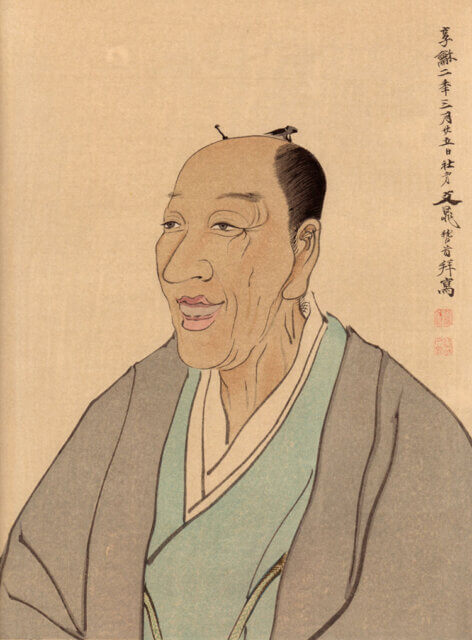
Kimura Kenkadō

Jakuchū ended up staying in Osaka for a while.

It is thought that Yoshino Goun, a supporter of Jakuchū who ran a medicine wholesaler offered the work of painting on sliding screens belonging to the Saifuku-ji temple, taking the advantage of being an influential parishioner of the temple to support Jakuchū.

What Made Him Portray Cactuses?


Yoshino Goun who gave Itō Jakuchū an opportunity to execute the painting for the Saifuku-ji temple was a collector of rarities and cactuses were probably one of those.
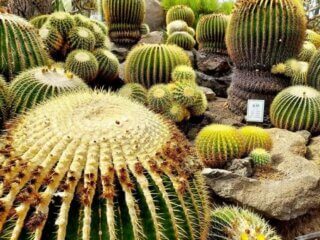
It is believed to be the reason why Jakuchū painted the plant as a motif in his work.

Saboten Gunkei-Zu, the Work Once Forgotten


After Jakuchū’s passing in 1800, Saboten Gunkei-Zu was gradually forgotten in society as time passed.

The painting was brought back into the limelight in 1926 when Ishizaki Kōyō, a Japanese‐style painter who was an ardent fan of Jakuchū, rediscovered it during his study.

It was a turning point for Itō Jakuchū, the painter who hadn’t particularly seen as a subject of research, as he began to attract interest enough to be studied since then.

Overview of the Saifuku-ji Temple
Address


1-6-38 Ozone, Toyonaka city, Osaka 561-0813, Japan

TEL


+81-6-6332-9669

Access


Hankyu- Takarazuka line ‘Hattori-Tenjin station’ – 15minute walk

In fact, this annual special opening of the Saboten Gunkei-Zu isn’t widely known to the public.

It’s because HP and SNS of the Saifuku-ji temple do not exist and the only way to gain the information is limited to blogs and books written by the visitors.

Even so, since 2016 marked the 300th anniversary of Itō Jakuchū’s birth, a large-scale exhibition of his works was held in Tokyo and special TV programs about the painter were broadcasted. As a result of this, the queue with an hour and a half waiting time, unthinkable for the usual temple’s special opening was said to be there that year.

This episode obviously tells that the event has been increasingly recognized.

Entrance
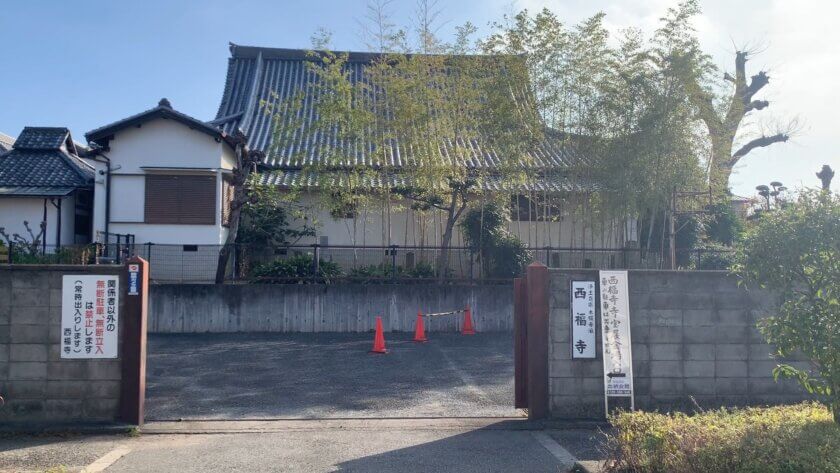
The parking area of the Saifuku-ji temple

Previously, the entrance was the main gate of the temple, but this year it was changed to the one for the parking area at the rear.

The signboards along the street lead you to the destination.
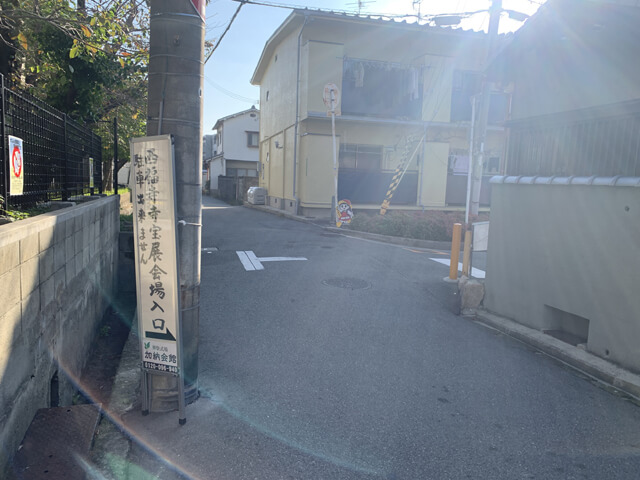
The temple’s car park isn’t available on the day, so if you visit by car, you need to use a coin-operated parking nearby.

As the Saifuku-ji temple is located in a thriving area, conveniently, there are multiple car parks relatively close to the venue.

The Crowdedness

There was a queue already at the opening time, 10 am in the morning.
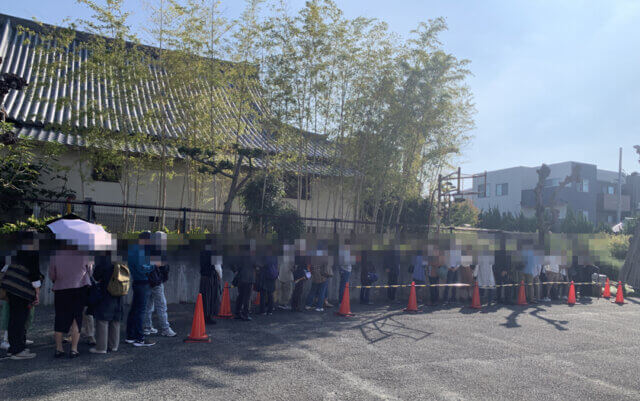
It’s proving the popularity of Itō Jakuchū.

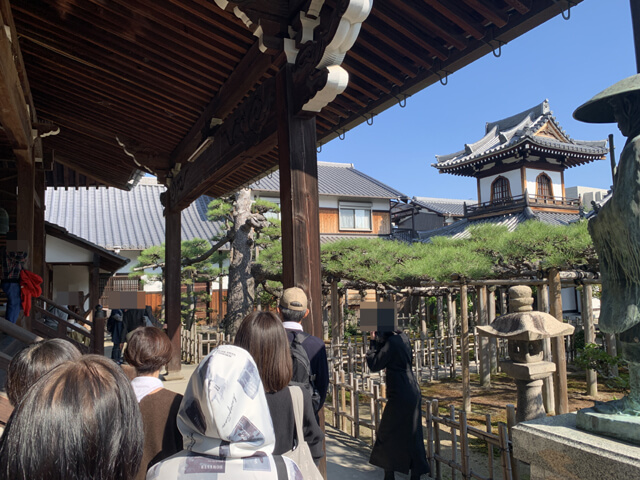
Several people were allowed to enter the main hall in turns where the work was displayed and that made me finally enter there around 10:40 am after the wait in the queue from 10 am.
Admission Fee

This type of special admission generally costs 1,000~2,000 yen which I find appropriate. However, unexpectedly this time was free. I appreciate this.

Review
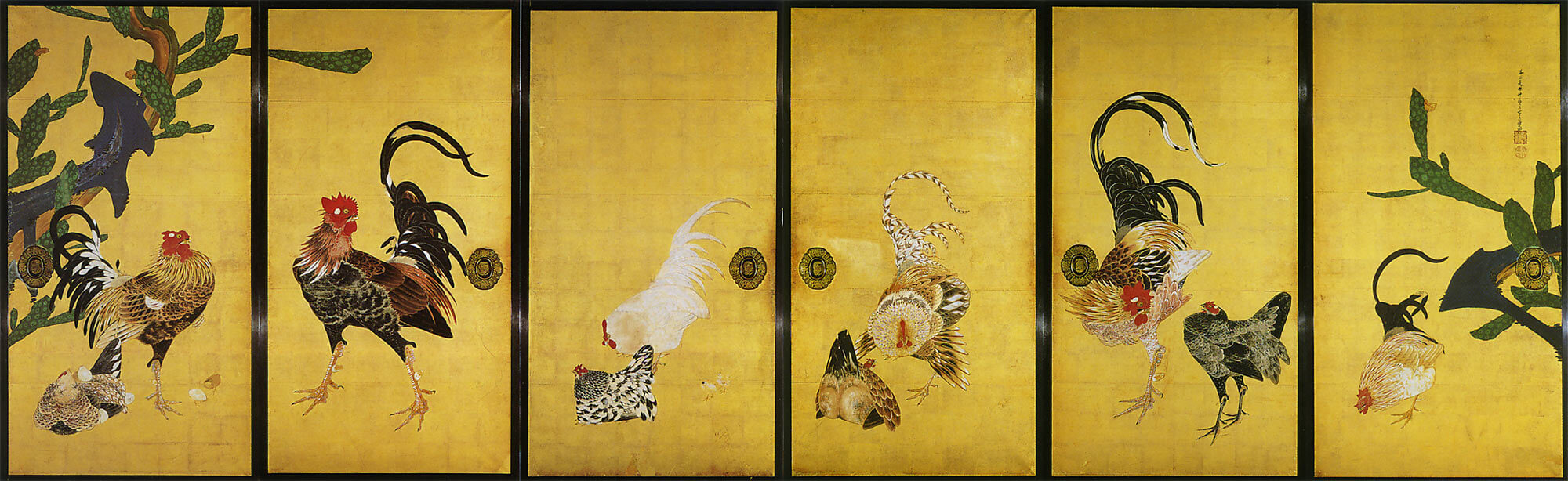
Saboten Gunkei-Zu

Being able to look at the painting from merely 1m away, you’ll even manage to identify the fine brushstrokes executed by Jakuchū.
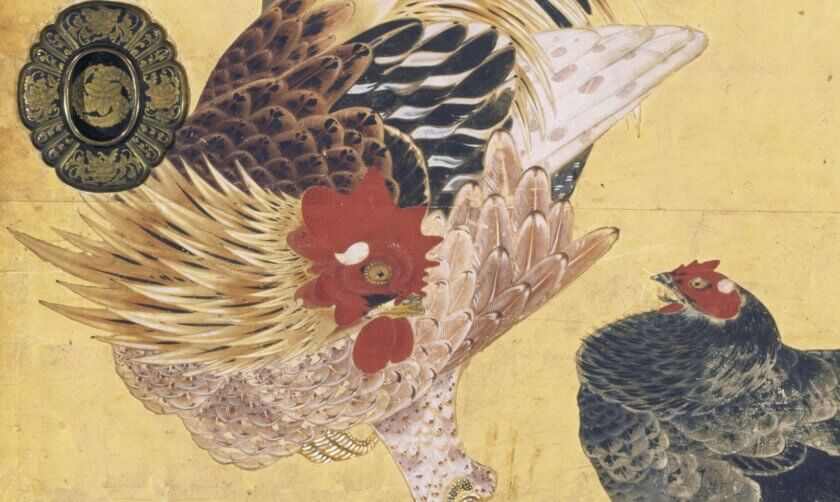
The super high-priced paints that Itō Jakuchū used have been preserving brilliant colors after 200 years.
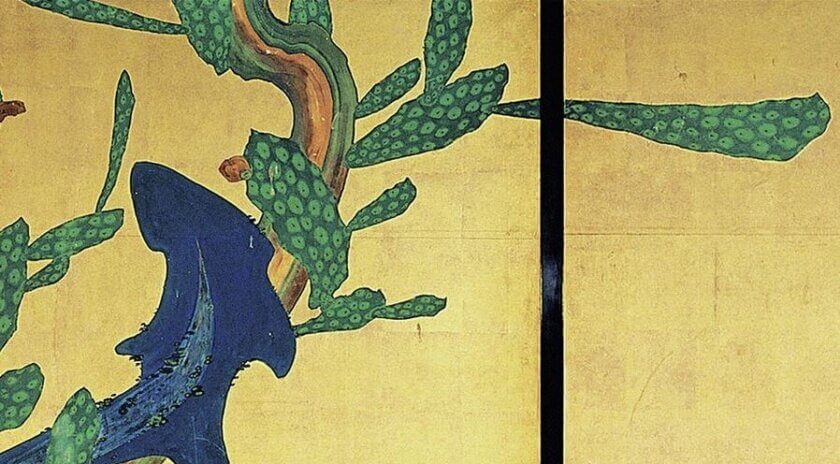
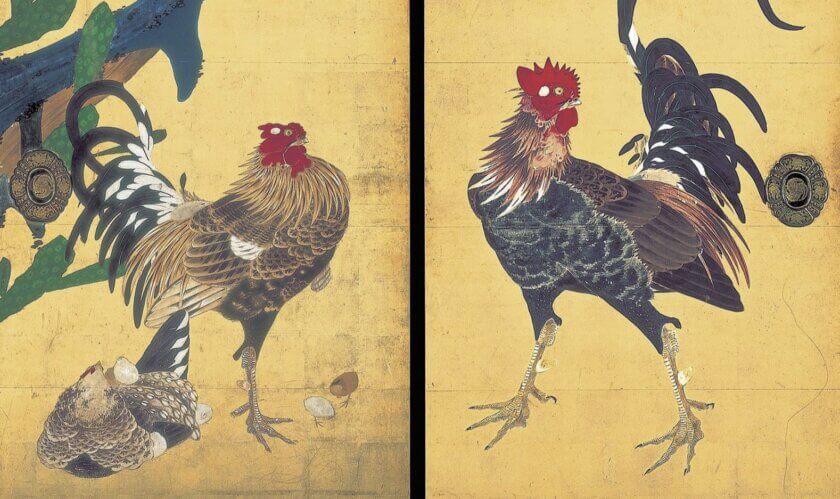
Work on a gold leaf is rather rare for Jakuchū. Still, it’s a fabulous piece that boasts an exquisite contrast between the dazzling light of the gold leaf and the intense color of the paint.

Note

It seems that the event in 2020 and 2021 was cancelled because of the pandemic and the opening in 2022 was the first time in 3 years.

I assume I was lucky as the opening sprung to mind because I went to see the event this year without knowing it has been cancelled for the last 2 years.

There are no HP and SNS for the temple, so I’d recommend that you make sure if the event is held, directly on the phone, etc. beforehand from next year onwards.

Please keep in mind that the work is open to the public while purposing to air.

Therefore, it’ll be cancelled in case of rain.
    NameRequired

    SexRequired

    MaleFemale

    CountryRequired

    e-mailRequired

    CommentRequired

    Attached File
    ※Up to 3 MB for each file.


    ← ← "MUST CHECK" / Please confirm the above contents again and check this button.

    Contact Us

    Please fill out the form below and submit for your inquiry.

    ❈FirstName
    ❈LastName
    Country
    ❈E-mail
    (❈Confirm E-mail)
    ❈Inquiry category Question
    Consultation
    Impression
    Request
    Others
    ❈Comment

    is the mark for required item.


    Your privacy is important to us. We are committed to protecting your privacy.

    (or press ESC or click the overlay)

    CEO Message

    Our Feelings For Kakejiku


     The Japanese people have long set a high value on aesthetic senses since ancient times. As a result, the
    peculiar culture which is not seen in other countries blossomed and many aspects of the modern Japanese
    culture come from it. Parts of Japanese culture has been introduced to people in other countries recently,
    so the number of people from other countries who are interested in Japanese culture has been increasing.
    However, the Japanese aesthetic senses, which are the bases of Japanese culture, have been nurtured
    through a long history, intertwining various elements intricately, such as climate, geographical features,
    religion, customs and so on. Therefore, they are very difficult to understand not only for people from other
    countries, but even for the Japanese people. I think the best tool which conveys these difficult senses
    understandably is a “kakejiku.”
     The kakejiku (a hanging scroll; a work of calligraphy or a painting which is mounted and hung in an
    alcove or on a wall) is a traditional Japanese art. It's no exaggeration to say that paintings are what
    express aesthetic senses at all times and places. The kakejiku is an art which expresses the Japanese
    aesthetic senses. The kakejiku has long been used in traditional Japanese events, daily life and so on since
    ancient times. As a result, there are various customs of kakejiku in Japan; kakejiku and the life of the
    Japanese are closely related. We can see Japanese values through kakejiku.
     The kakejiku is a cultural tradition which the Japanese people should be proud of. However, many people
    in other countries don't know much about it because it hasn't been showcased as much. This is why I
    decided to try to introduce it. The kakejiku world is very interesting and beautiful. We want not only the
    Japanese, but also many people from other countries to know and enjoy it. I hope that many people will
    love kakejiku someday.

    (or press ESC or click the overlay)
    Company Profile
    syaoku.jpg(120220 byte)

    Name Art Nomura


    President Tatsuji Nomura


    Founded1973


    Established1992


    Address7-23 Babadori, Tarumi-ku, Kobe city,
    Hyougo Prefecture, 655-0021, Japan


    Capital10 million yen


    URLhttp://nomurakakejiku.com


    Our Business

     Art Nomura is an art dealer which produces kakejiku (hanging scrolls). We mount many paintings and calligraphic works in kakejiku in my factory. Kakejiku are our main product. We also remount and repair old or damaged kakejiku. We share the traditional Japanese art of kakejiku with people all over the world.


    (or press ESC or click the overlay)
    Access Map

    Access Map


     The Japanese people have long set a high value on aesthetic senses since ancient times. As a result, the
    peculiar culture which is not seen in other countries blossomed and many aspects of the modern Japanese
    culture come from it. Parts of Japanese culture has been introduced to people in other countries recently,
    so the number of people from other countries who are interested in Japanese culture has been increasing.
    However, the Japanese aesthetic senses, which are the bases of Japanese culture, have been nurtured
    through a long history, intertwining various elements intricately, such as climate, geographical features,
    religion, customs and so on. Therefore, they are very difficult to understand not only for people from other
    countries, but even for the Japanese people. I think the best tool which conveys these difficult senses
    understandably is a “kakejiku.”
     The kakejiku (a hanging scroll; a work of calligraphy or a painting which is mounted and hung in an
    alcove or on a wall) is a traditional Japanese art. It's no exaggeration to say that paintings are what
    express aesthetic senses at all times and places. The kakejiku is an art which expresses the Japanese
    aesthetic senses. The kakejiku has long been used in traditional Japanese events, daily life and so on since
    ancient times. As a result, there are various customs of kakejiku in Japan; kakejiku and the life of the
    Japanese are closely related. We can see Japanese values through kakejiku.
     The kakejiku is a cultural tradition which the Japanese people should be proud of. However, many people
    in other countries don't know much about it because it hasn't been showcased as much. This is why I
    decided to try to introduce it. The kakejiku world is very interesting and beautiful. We want not only the
    Japanese, but also many people from other countries to know and enjoy it. I hope that many people will
    love kakejiku someday.

    (or press ESC or click the overlay)