
Tsuji Kakō: Kyoto Painter with Extraordinary Range of Styles
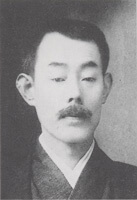
Tsuji Kakō

Tsuji Kakō was born in 1898 into a family of Kyōto Yūzen painters. He studied under the tutelage of Kōno Bairei while assisting in the family business. He was ten years old at the time. At the Bairei School, he won an award at the National Industrial Exhibition, and along with Kikuchi Hōbun, Takeuchi Seihō, and Taniguchi Kōkyō, he was known as one of the Four Great Painters of the Bairei School. However, his success in the art world seems to have been delayed by his younger age compared to Seihō and Hōbun. This may have been due to the fact that, although Kakō learned the realistic style of the Maruyama and Shijō schools at the Bairei School, he was also keen to study the techniques of the Kanō and Rimpa schools and was slow to establish his own style. In fact, if you look at the works of Tsuji Kakō today, you will find a wide variety of styles.

For example, the work “Iwashimizu”, which won the third prize at the first Bunten exhibition in 1907, is a historical genre painting of a pilgrimage to the Iwashimizu Hachimangū shrine and a portrait in the Yamato-e style.
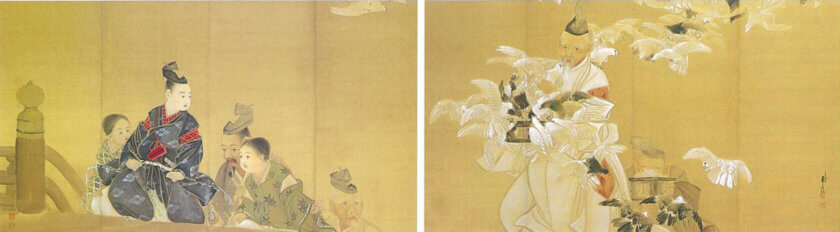
Iwashimizu by Tsuji Kakō

His earlier works for the Shinkobijutsuhinten exhibition were also historical genre paintings based on Noh plays and tales, and he would have been a unique figure in the Kyōto art world, which mainly focuses on realistic depictions of nature in the four seasons.

The following year he won the third prize at the second Bunten for ‘Gods Shouting with Joy’, another historical portrait depicting the myth of Amano-Iwato.
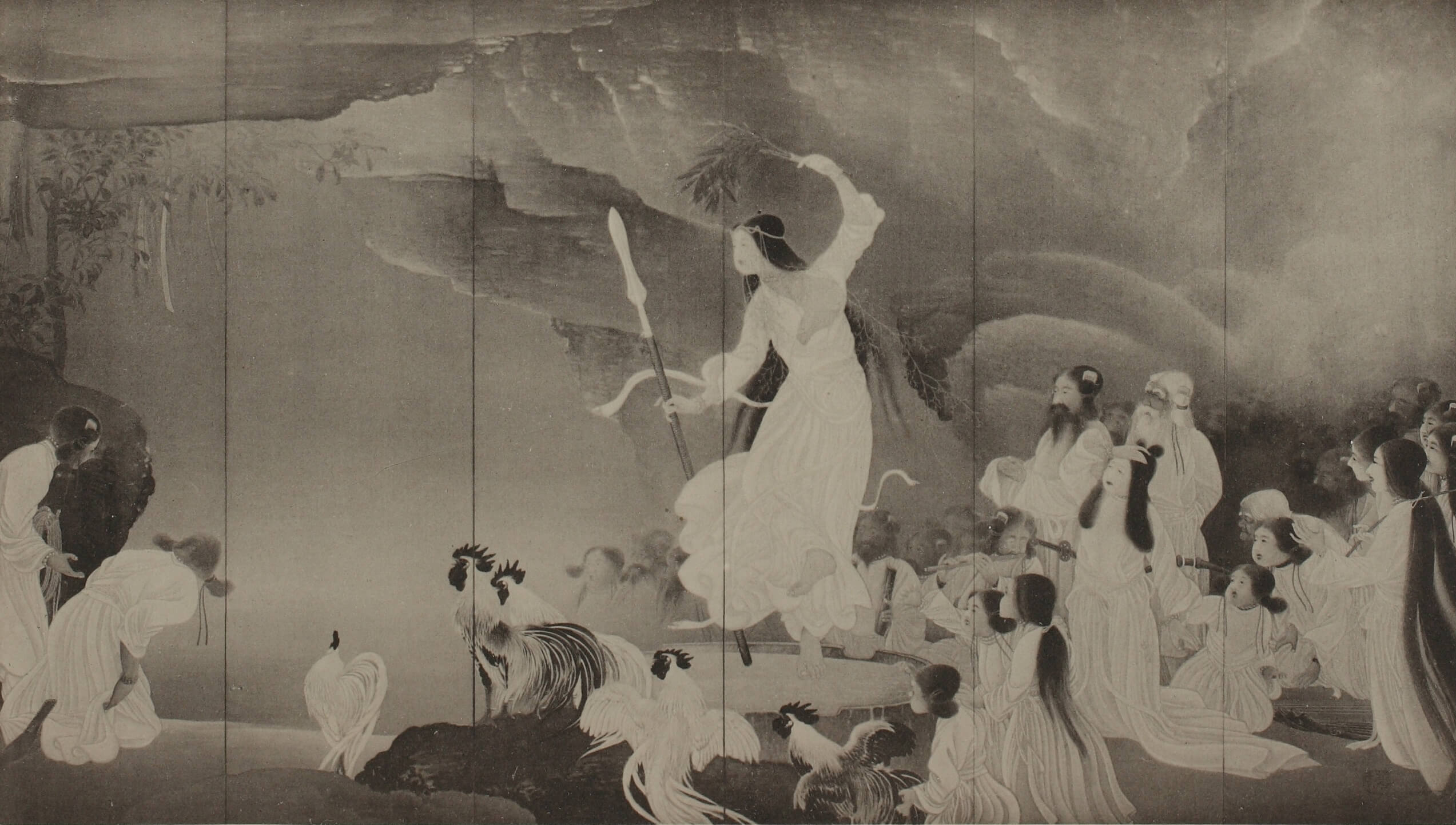
Gods Shouting with Joy by Tsuji Kakō

He did not exhibit at the third and fourth Bunten exhibitions, but at the fifth Bunten, he won the third prize for “Pine and Moon”.
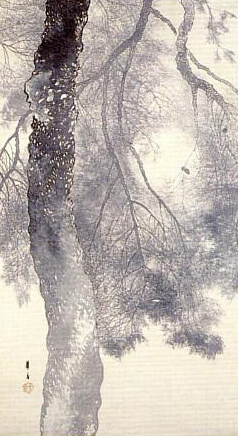
Pine and Moon by Tsuji Kakō

This work is often referred to as his masterpiece, but the style of this and his previous work is completely different, and the change in style is astonishing. He was awarded a special prize at the Bunten and Teiten exhibitions for his painting ‘Haniwa’ in 1916 and finally became a judge at the 5th Teiten in 1924.
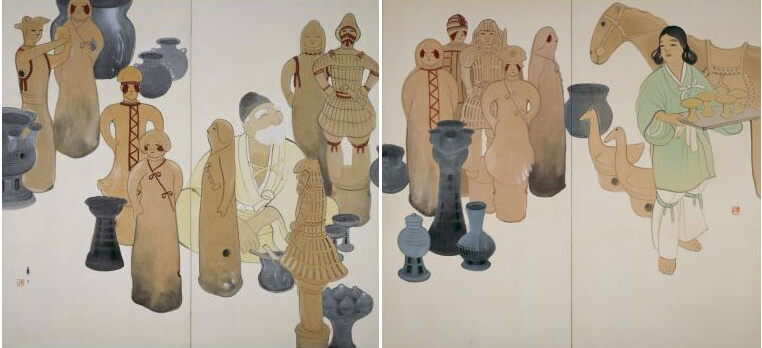
Haniwa by Tsuji Kakō

However, Kakō’s style in the Taishō period was full of romantic expression and a sense of novelty, as exemplified by his work at the second Teiten exhibition in 1920, “Morning in Tōraizato, Evening in Mannendai”.
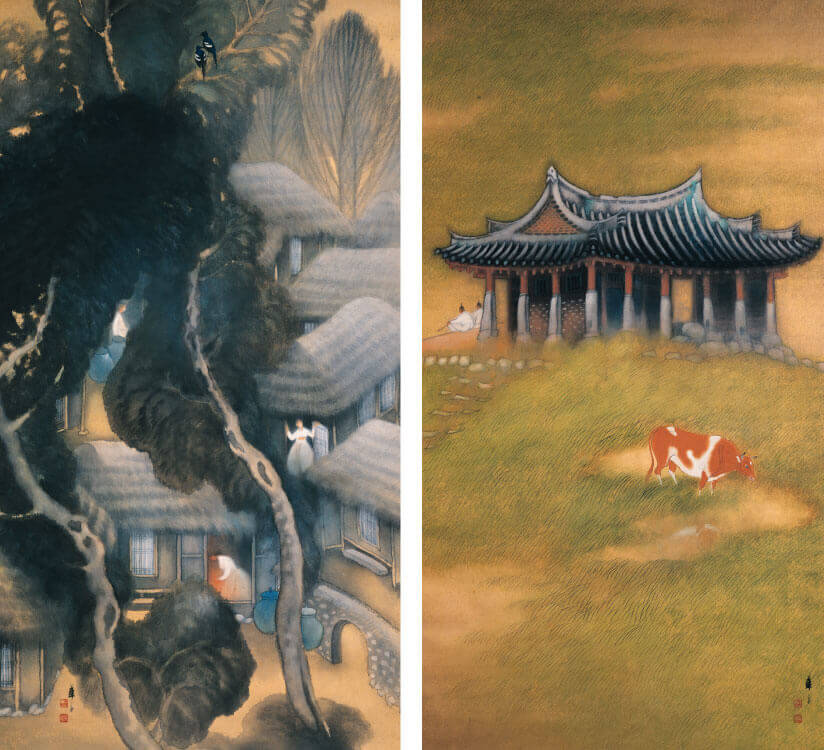
Morning in Toraizato, Evening in Mannendai by Tsuji Kakō

In 1925, he became a member of the Imperial Academy of Fine Arts, and the following year, he was nominated as the principal of the Kyōto Municipal College of Painting. In his later years, he developed his own style of Zen painting. He died in 1931.

Two Cranes
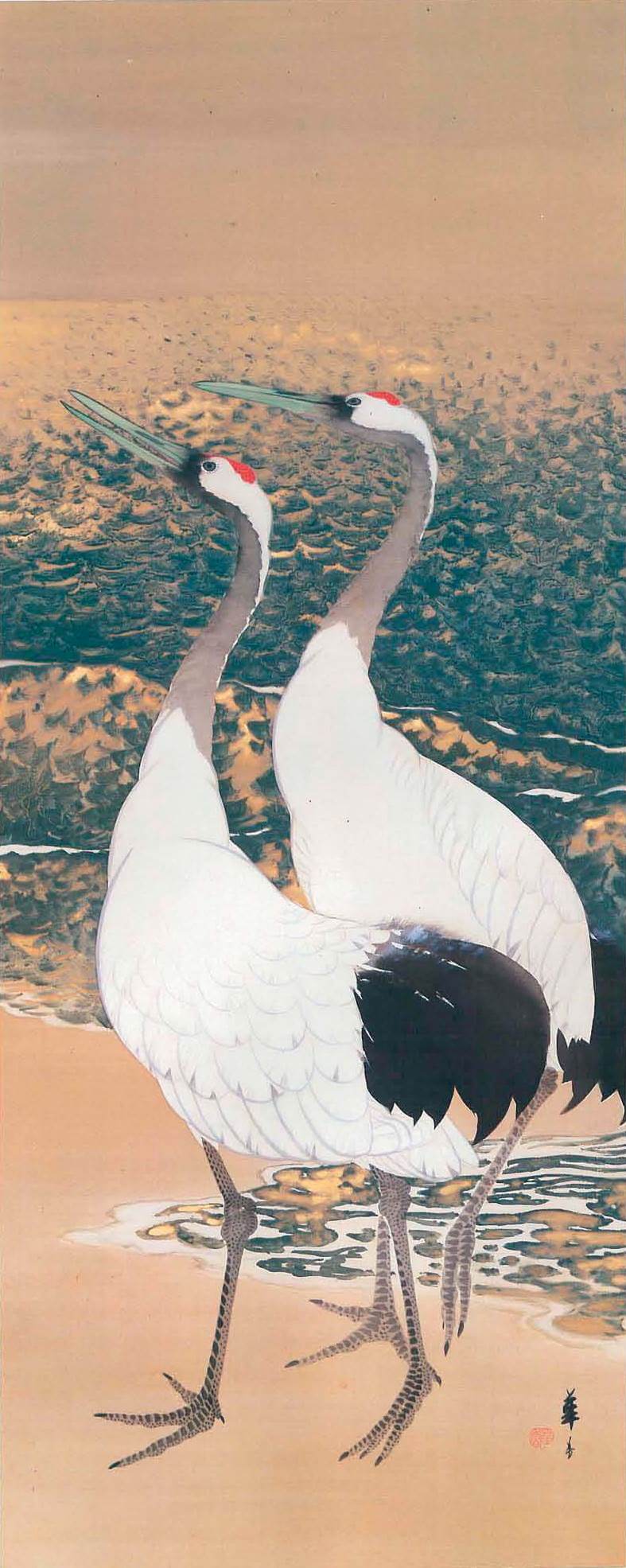
Two Cranes by Tsuji Kakō

This painting of “Two Cranes”, one male and one female, is probably an omen of good fortune. The design suggests that there should be another painting on the left, showing a sunrise and pine trees on the shore. The cranes are depicted in the style of Shijō and Maruyama and are well executed. In contrast, the waves in the background are painted with a quick brushstroke, which is rough but quite effective when viewed from a distance. This is a bold technique, and from this, we can assume that the painting was made around 1924.

Bamboo
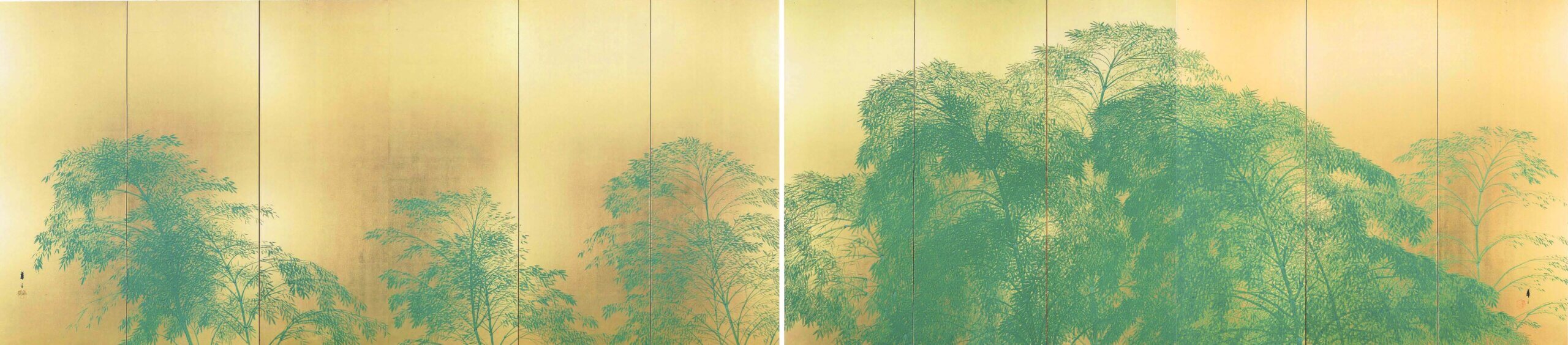
Bamboo by Tsuji Kakō

“Bamboo” is a large painting of six panels. The bamboo forest fills the painting on gold ground. The rhythmic expression of the bamboo is interesting. This work seems to have been made in the same Taishō period, but it may be an earlier work than the previous one (Two Cranes). The exact date is unknown. Kakō’s ability to make the most of the gold background in this bamboo painting explains his early emergence as one of Bairei’s Four Great Painters.
    NameRequired

    SexRequired

    MaleFemale

    CountryRequired

    e-mailRequired

    CommentRequired

    Attached File
    ※Up to 3 MB for each file.


    ← ← "MUST CHECK" / Please confirm the above contents again and check this button.

    Contact Us

    Please fill out the form below and submit for your inquiry.

    ❈FirstName
    ❈LastName
    Country
    ❈E-mail
    (❈Confirm E-mail)
    ❈Inquiry category Question
    Consultation
    Impression
    Request
    Others
    ❈Comment

    is the mark for required item.


    Your privacy is important to us. We are committed to protecting your privacy.

    (or press ESC or click the overlay)

    CEO Message

    Our Feelings For Kakejiku


     The Japanese people have long set a high value on aesthetic senses since ancient times. As a result, the
    peculiar culture which is not seen in other countries blossomed and many aspects of the modern Japanese
    culture come from it. Parts of Japanese culture has been introduced to people in other countries recently,
    so the number of people from other countries who are interested in Japanese culture has been increasing.
    However, the Japanese aesthetic senses, which are the bases of Japanese culture, have been nurtured
    through a long history, intertwining various elements intricately, such as climate, geographical features,
    religion, customs and so on. Therefore, they are very difficult to understand not only for people from other
    countries, but even for the Japanese people. I think the best tool which conveys these difficult senses
    understandably is a “kakejiku.”
     The kakejiku (a hanging scroll; a work of calligraphy or a painting which is mounted and hung in an
    alcove or on a wall) is a traditional Japanese art. It's no exaggeration to say that paintings are what
    express aesthetic senses at all times and places. The kakejiku is an art which expresses the Japanese
    aesthetic senses. The kakejiku has long been used in traditional Japanese events, daily life and so on since
    ancient times. As a result, there are various customs of kakejiku in Japan; kakejiku and the life of the
    Japanese are closely related. We can see Japanese values through kakejiku.
     The kakejiku is a cultural tradition which the Japanese people should be proud of. However, many people
    in other countries don't know much about it because it hasn't been showcased as much. This is why I
    decided to try to introduce it. The kakejiku world is very interesting and beautiful. We want not only the
    Japanese, but also many people from other countries to know and enjoy it. I hope that many people will
    love kakejiku someday.

    (or press ESC or click the overlay)
    Company Profile
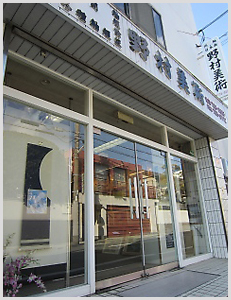
    syaoku.jpg(120220 byte)

    Name Art Nomura


    President Tatsuji Nomura


    Founded1973


    Established1992


    Address7-23 Babadori, Tarumi-ku, Kobe city,
    Hyougo Prefecture, 655-0021, Japan


    Capital10 million yen


    URLhttp://nomurakakejiku.com


    Our Business

     Art Nomura is an art dealer which produces kakejiku (hanging scrolls). We mount many paintings and calligraphic works in kakejiku in my factory. Kakejiku are our main product. We also remount and repair old or damaged kakejiku. We share the traditional Japanese art of kakejiku with people all over the world.


    (or press ESC or click the overlay)
    Access Map

    Access Map


     The Japanese people have long set a high value on aesthetic senses since ancient times. As a result, the
    peculiar culture which is not seen in other countries blossomed and many aspects of the modern Japanese
    culture come from it. Parts of Japanese culture has been introduced to people in other countries recently,
    so the number of people from other countries who are interested in Japanese culture has been increasing.
    However, the Japanese aesthetic senses, which are the bases of Japanese culture, have been nurtured
    through a long history, intertwining various elements intricately, such as climate, geographical features,
    religion, customs and so on. Therefore, they are very difficult to understand not only for people from other
    countries, but even for the Japanese people. I think the best tool which conveys these difficult senses
    understandably is a “kakejiku.”
     The kakejiku (a hanging scroll; a work of calligraphy or a painting which is mounted and hung in an
    alcove or on a wall) is a traditional Japanese art. It's no exaggeration to say that paintings are what
    express aesthetic senses at all times and places. The kakejiku is an art which expresses the Japanese
    aesthetic senses. The kakejiku has long been used in traditional Japanese events, daily life and so on since
    ancient times. As a result, there are various customs of kakejiku in Japan; kakejiku and the life of the
    Japanese are closely related. We can see Japanese values through kakejiku.
     The kakejiku is a cultural tradition which the Japanese people should be proud of. However, many people
    in other countries don't know much about it because it hasn't been showcased as much. This is why I
    decided to try to introduce it. The kakejiku world is very interesting and beautiful. We want not only the
    Japanese, but also many people from other countries to know and enjoy it. I hope that many people will
    love kakejiku someday.

    (or press ESC or click the overlay)