Shikoku Pilgrimage Temple: No. 20 Kakurin-ji
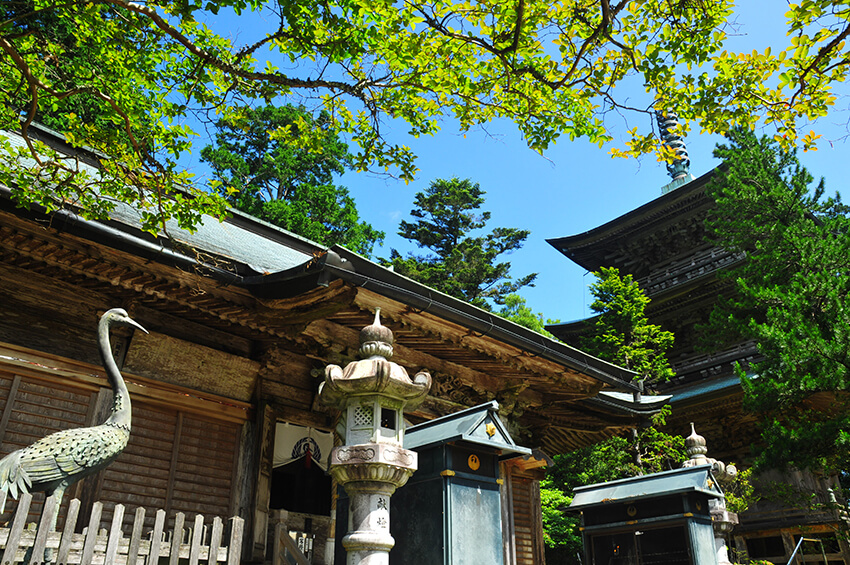
Kakurin-ji: Jizō Bosatsu Protected by a Pair of White Cranes
- Name: Ryōjuzan Hōjuin Kakurin-ji
- Main Deity: Jizō Bosatsu
- Goeika (Pilgrimage Song):
- Guided by the cranes in the lush forest where they flock
- the Great Master resides here, as Jizō Taishaku.
Access From Temple No. 19, Tatsue-ji:
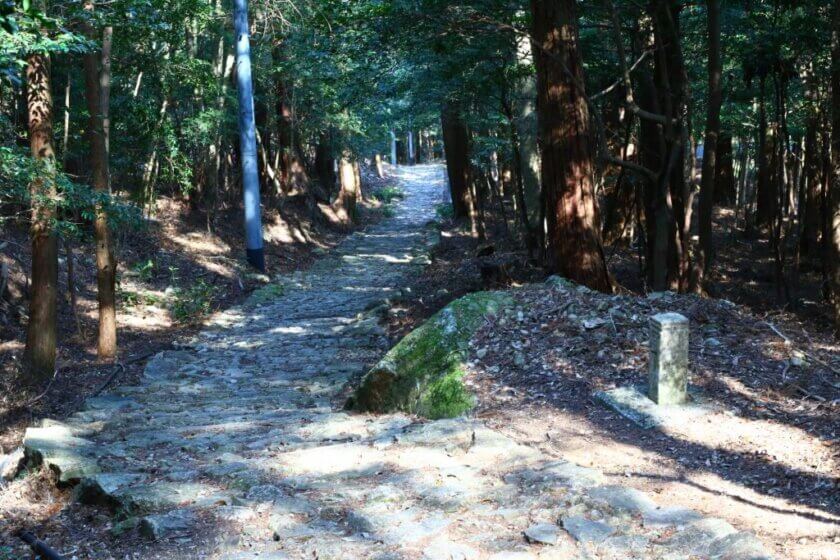
- On foot: Follow the path through the rural landscape, cross a small mountain pass at Kayahara, and proceed along the Katsuura River to Ikuna. Upon reaching this area, signs for Kakurin-ji will become quite noticeable. From the path winding through sprawling mandarin orange groves, enter the mountains to find a steep mountain trail that crosses the roadway several times toward the summit. The final steep incline is even more strenuous than the path to Shōzan-ji. Approximately 14 km, about 5 hours.
- By Car: Follow the same route as the walking path until Ikuna. From Ikuna, take the paved road heading toward the summit. Approximately 15 km, 45 minutes.
- Public Transport: From Tatsue-ji, head to JR Tatsue Station and take the JR Mugi Line to Tokushima Station. From Tokushima Station, follow the directions in the DATA section to reach Kakurin-ji.
A Temple that Makes Pilgrims Cry
Kakurin-ji is one of the most rugged and difficult spots among the Shikoku pilgrimage sites. Located on a mountain at an elevation of approximately 570m, the uphill approach from the nearest bus stop takes a full hour to walk, or about an hour and a half for women. Although its elevation does not reach that of Temple No. 12, Shōzan-ji, the steep mountain trail is even more strenuous than Shōzan-ji’s. Even by car, one must drive endlessly along a narrow, winding road to the mountaintop parking lot, truly bringing home the meaning of the word “difficult spot”.
Cranes Descended to Protect the Enshrined Deity
Eventually, the Niō-mon gate appears, surrounded by a cedar grove. At the gate, statues of Kongōrikishi, said to be the work of Unkei, protect the world of Buddha. Continuing along the approach through a cedar grove with trees estimated to be 800 years old, you will find the Goma-dō and Daishi-dō halls, with stone steps leading to the Main Hall nearby. At the top of the steps are the Main Hall and a three-story pagoda. The pagoda, built in the 5th year of Bunsei (1822), is a prefectural cultural property. In front of the Main Hall stand two crane statues, much like guardian dogs (komainu) at a shrine. Two crane statues are also placed at the Niō-mon gate.
These crane statues are based on the legend of the deity’s descent: Kōbō Daishi visited this site and encountered two cranes protecting a shining golden Jizō Bosatsu. The enshrined deity is a statue of Jizō Bosatsu carved by Kōbō Daishi that contains the legendary golden Jizō within its body; it is a hidden Buddha (hibutsu). The temple’s name, Kakurin-ji (Crane Forest Temple), was also derived from this legend. To the left of the Main Hall, a small path leads to the “Honzon Kōrin Sugi” (Cedar of the Deity’s Descent), where the golden Jizō and cranes are said to have descended. Beside it stands a giant linden tree said to have been planted by Kōbō Daishi himself.
DATA
Address: 14 Washigao, Ikunaaza, Katsuura-chō, Katsuura-gun, Tokushima Prefecture, Japan
Phone: 0885-42-3020
Access: From JR Tokushima Station, take the Tokushima Bus bound for Yokosenishi for approximately 1 hour, get off at Ikuna, and walk for 1 hour and 30 minutes.
Parking: Available (paid)
Lodging: None
Your Pilgrimage, Your Art
Completing the Shikoku Pilgrimage is a once-in-a-lifetime journey—but what if you could preserve it in a form that lasts forever?
Many pilgrims collect red stamps and calligraphy from each temple on a special silk scroll called a nōkyōjiku.
This sacred record of your path can be transformed into a kakejiku—a traditional Japanese hanging scroll—not only preserving the memories, but turning them into a work of cultural and spiritual art.
It’s more than a souvenir—it’s a way to honor your journey, your prayers, and your growth.
To learn more about how a nōkyōjiku becomes a kakejiku, and what makes this transformation so meaningful, please refer the below link.